There’s an old temptation among boat owners: If a little is good, more must be better. Propeller pitch is one place where that thinking can get expensive.
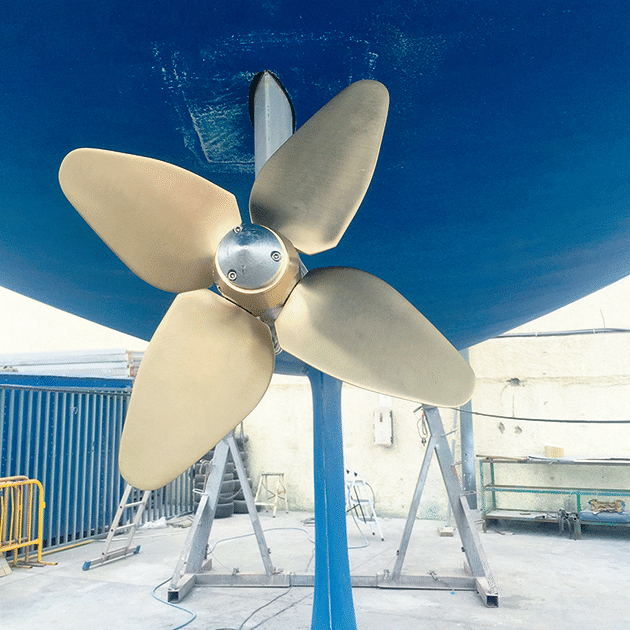
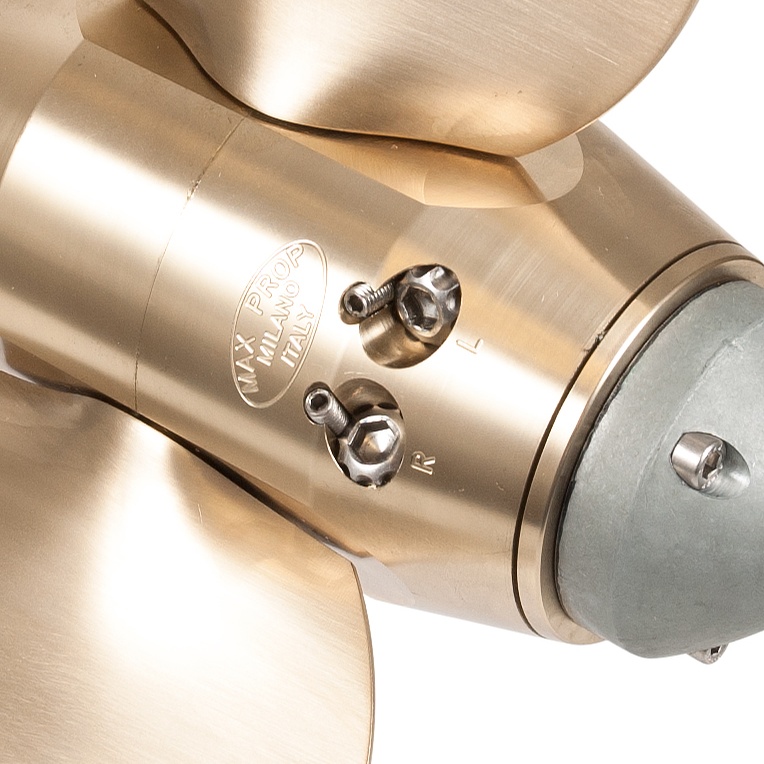
Feathering propellers have an interesting advantage: their pitch can be manually adjusted. That means you can change the pitch to better suit the boat. Sounds simple. But here’s the catch. Increasing pitch may improve performance at cruising rpm — but it also increases the load on the engine and reduces the maximum rpm the engine can achieve. And that’s important.
Modern marine diesels are designed to reach their rated maximum rpm under load. If you’ve added so much pitch that the engine can no longer get there, you’ve effectively overloaded the engine. In other words, you may have “improved” your propeller while making the propulsion system worse.
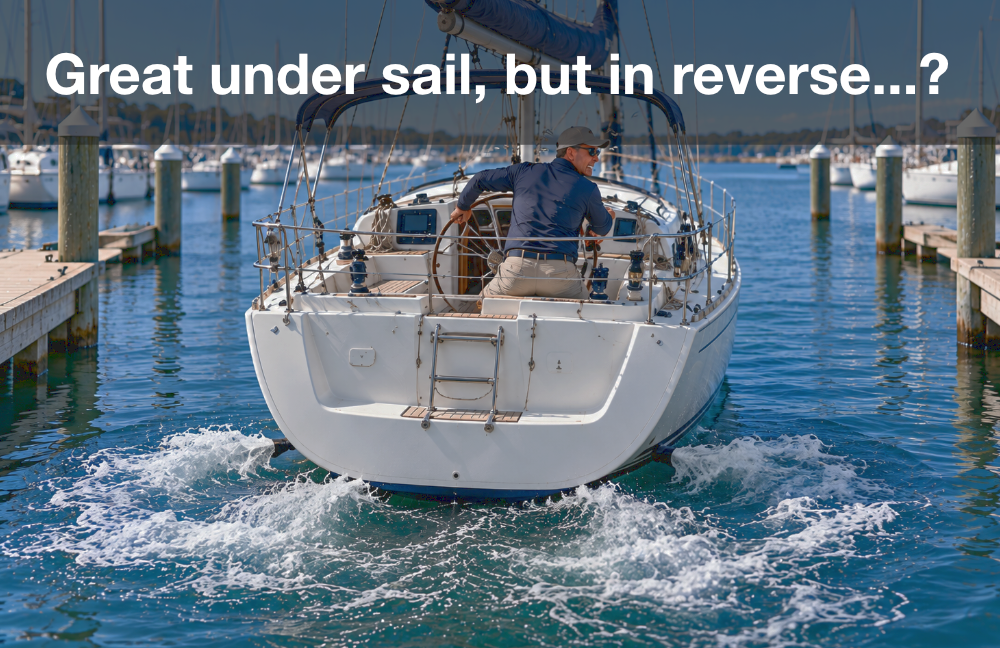
Feathering props have some genuine advantages. Under sail, the blades rotate to present very little resistance to the water. They can work particularly well on long-keel boats where the propeller operates inside a relatively tight aperture. And because the blade’s leading edge presents correctly in both directions, they can produce good thrust astern.
But there is a compromise. The flat blade geometry of a feathering propeller isn’t as hydrodynamically efficient under power as the twisted blade of a conventional propeller. That’s an important point because propeller selection is always a balancing act.
Sailing performance.
Motoring efficiency.
Reverse thrust.
Engine loading.
Noise.
Maneuverability.
There isn’t one magic number — and there isn’t one propeller that’s automatically right for every boat. If you’ve adjusted the pitch on your propeller — or you’re wondering whether your existing prop is properly matched to your engine — come see us at Bruntons Propeller — BOOTH YB3 at the Annapolis Sailboat Show. Bring your engine’s rated horsepower and rpm, gearbox reduction ratio and current propeller size. Those numbers tell quite a story.
Next: What if the propeller could choose its own pitch?