Ask sailors about propellers and you’ll sometimes hear the conversation reduced to two choices: fixed pitch or folding propellers. The modern answer is considerably more interesting. There are really four established approaches worth understanding when choosing a sailboat propeller.
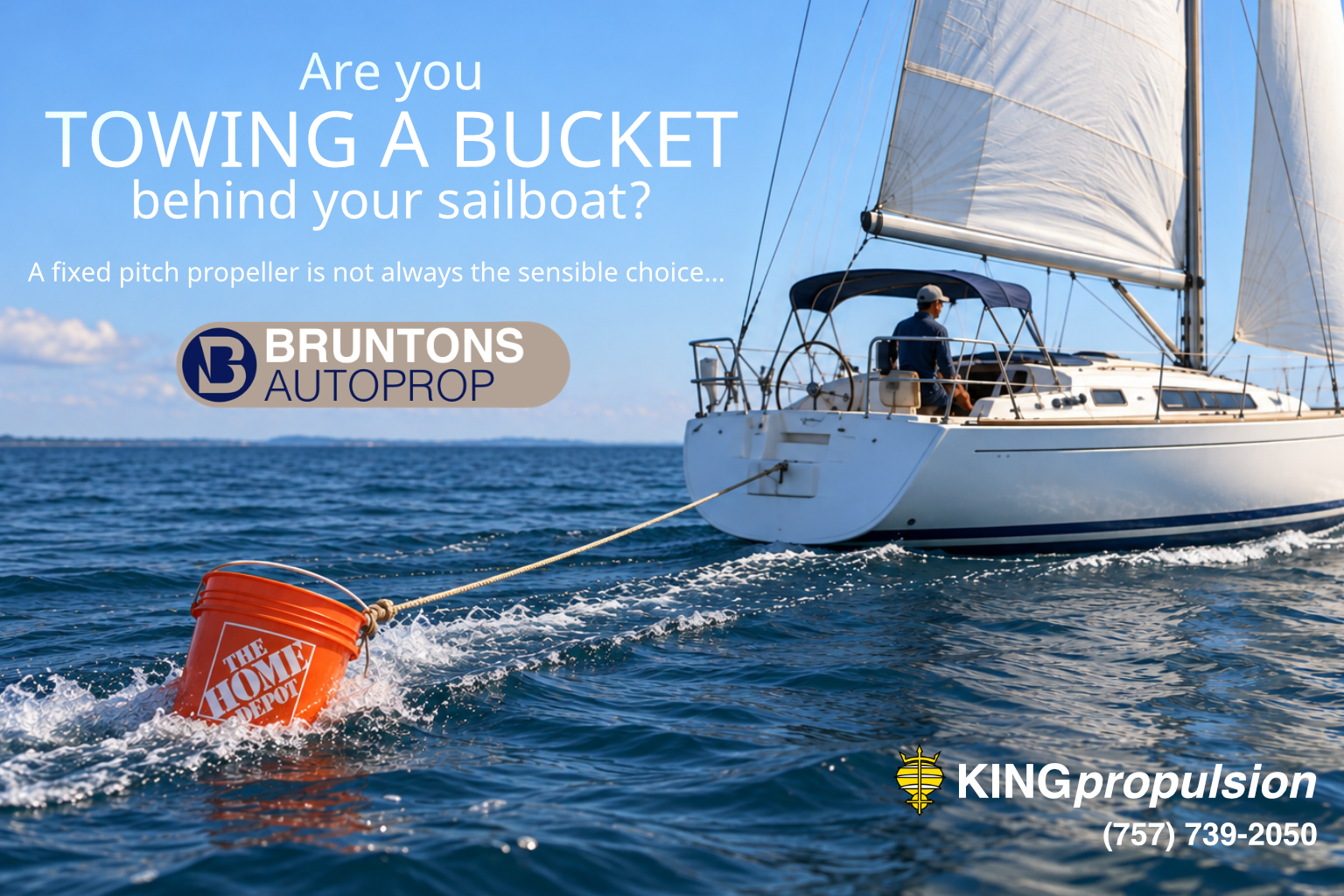
Fixed Pitch propellers are simple, relatively inexpensive and capable of producing good thrust. The downside, however, appears when the engine stops and the sails go up. Those fixed blades remain exposed to the water flow, creating drag every mile you sail and putting load on the transmission and wear on the shaft seals.
Folding propellers were the first propeller to tackle the drag problem. When you’re sailing, the blades fold together away from the flow to minimize resistance. That’s why folding propellers originally became so attractive to racers, the propeller essentially disappears from the drag equation with only streamlined parts remaining. Modern folding propellers have come a long way since their inception and are now optimized for performance under power as well. But folding blades still have to open when you engage the engine, astern performance and low-speed “bite” can vary significantly by manufacturer and also boat size.
Feathering propellers were designed to solve the low drag problem in a slightly different way and offer some key advantages over folding propellers. Instead of folding together, the blades rotate into a low-drag position while sailing much like feathering and aircraft propeller. An important advantage is that the blade’s leading edge presents correctly both ahead and astern giving it the same thrust in either direction – crucial for maneuvering. Pitch can also be manually adjusted on feathering propellers using an external set screw. That’s useful — provided you understand what changing the pitch does to the engine. We’ll get to that!
This is the fascinating one from an engineering standpoint. Rather than operating at one fixed pitch, the unique blade shape of the self-pitching propeller automatically adjusts pitch according to the hydrodynamic and centrifugal forces acting upon them. In other words, the propeller responds to changing operating conditions and thinks for itself. These characteristics give a reduction in drag under sail, a significant fuel saving under power along with the reversing characteristics of a feathering propeller – the best of both worlds!
So which is best? Wrong question! The better question is which set of compromises best matches your boat and the way you use it? A club racer who motors twenty minutes to the starting line has very different priorities from a cruiser planning to motor-sail hundreds of miles. That’s why propeller selection should start with the boat and owner — not the propeller catalog.
If you’ll be in Annapolis, come see us at Bruntons Propellers Booth YB3 close to the Marriot Hotel in the harbor and tell us how you actually use your boat. We’ll happily talk propellers.
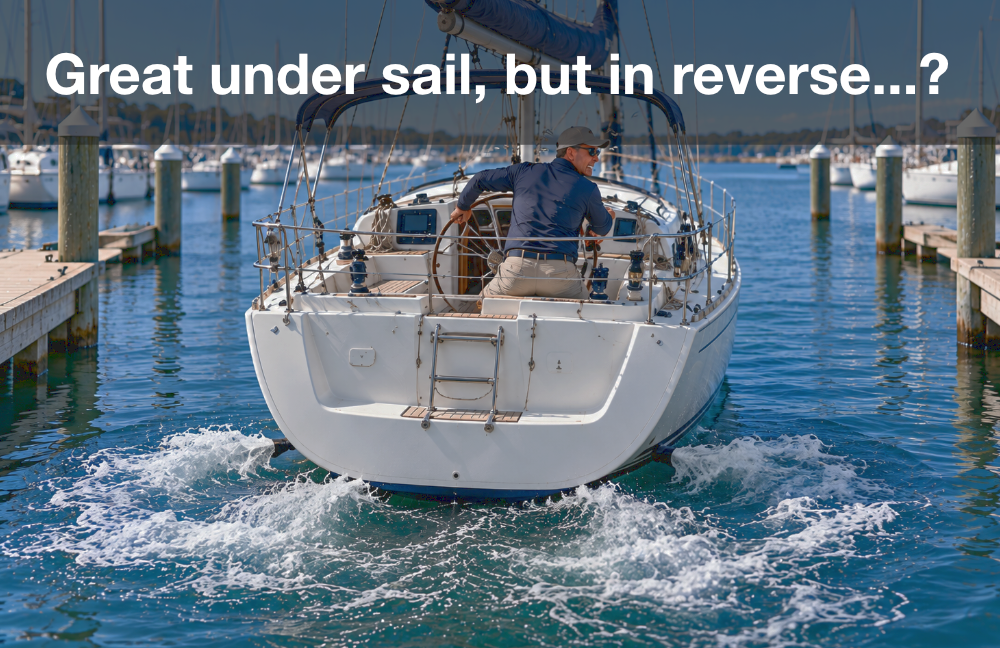
Next: The propeller disappears under sail. But what happens when you need reverse?
#Cruising #Sailing #MarineEngineering #AnnapolisSailboatShow